House clearance in Twickenham
Twickenham House Clearance provides house clearance in Twickenham for homes that need clear, orderly removal of unwanted items. The service is suited to full properties, partial room clearances and situations where only selected furniture, bags, boxes or household contents need to be taken away. Our work is organised to help customers deal with the practical side of a clearance in a straightforward way, with attention to access, sorting and responsible handling.
If you are comparing options for a clearance, it helps to think about what needs removing, what should stay, and whether there are items that need careful handling. We can clear general household contents, larger furniture and accumulated belongings from spaces such as bedrooms, lofts, garages and living rooms. Tell us what the job involves and we can help shape the right scope for a quotation. For an initial starting point, you can also view our house clearance service alongside the other clearance pages on this site.
The main aim is to make the process simpler for the person arranging it. That means clear communication about the items involved, the access available and any special considerations before work begins. If you are planning a move, dealing with a property that needs emptying or simply reclaiming usable space, our service is designed to cover the removal side so the remaining decisions are easier to manage. Request a quotation when you are ready, and we will take it from there.
What we clear and how the service is arranged
House clearance work often involves more than one kind of item, so the service needs to be adaptable. We can deal with general contents that have built up over time, single bulky items that are awkward to move, and mixed loads where furniture, soft furnishings and smaller household pieces all need to be taken out together. The result is a practical clearance rather than a one-size-fits-all visit, which is especially useful when a property contains items in different rooms or on multiple levels.
It is usually helpful to decide in advance which things are to be removed and which items are staying. That simple split makes the work more efficient and reduces the risk of confusion on the day. Where a room contains a mixture of keep, remove and recycle items, clear labelling or a brief written list can be useful. If the situation is more straightforward, a description by room is often enough to define the scope and produce a sensible quotation.
Typical household clearance jobs may include wardrobes, tables, chairs, sofas, white goods, general clutter, boxed belongings and accumulated items from storage spaces. For customers comparing related services, our flat clearance page may be useful where access, stairways or smaller layouts need particular thought, while the furniture clearance option suits the removal of larger pieces that are no longer needed. The right option depends on the type of items, the layout of the property and how much needs to be cleared.
Room clearances, lofts and storage spaces

Some clearances are concentrated in a single part of the property rather than the whole house. Loft spaces, garages and spare rooms often become places where items are stored for years, making access and sorting more important than speed. A room-by-room approach allows the work to be planned carefully so that the right contents are removed without disturbing anything that should remain in place.
Our loft clearance and garage clearance pages describe two common types of work that sit alongside house clearance. Lofts can involve boxed belongings, older household items and awkward access, while garages may contain mixed storage, tools, broken household goods or surplus furniture. When a property has several storage areas, combining the right services can make the overall clearance more coherent and easier to organise.
For a clear quotation, it helps to explain whether the space is easy to reach, whether anything needs to be carried down stairs, and whether the contents are loose, boxed or stacked. Photographs can be helpful where they show the volume of items and the layout of the room, but a written description works too if it is clear and accurate. A short message listing the main areas involved is often enough to begin.
Household items, furniture and responsible removal
A house clearance is rarely just about lifting things out of a room. It also involves deciding which items are reusable, which need separate disposal and which may suit a different route altogether. Larger furniture often needs careful movement through doorways and hallways, while mixed household contents may need sorting so that the clearance is handled in a sensible order. This practical approach helps keep the work tidy and manageable.
We also provide related services for individual item removal where a full property clearance is not required. If you only need a few pieces taken away, the furniture disposal page may be the more suitable starting point. For customers who need broader removal across the property, the waste removal service covers mixed loads that are ready to go. Choosing the most accurate service description is often the best way to keep the quotation relevant.
Household clearance work benefits from clear preparation in two main ways. First, it makes the quotation more accurate because the amount and type of material are easier to assess. Second, it helps the clearance itself run smoothly because the items to remove are more obvious from the start. If there are valuables, keepsakes or paperwork mixed in with the items, setting them aside before the visit is a sensible precaution. That simple step can save time and reduce the chance of anything being moved accidentally.
Choosing the right clearance for a property
Different homes call for different approaches, and the best clearance plan depends on what the property contains. A full house clearance may be needed where rooms have been left with furniture and contents throughout, while a partial clearance can be better when only certain spaces have to be emptied. The service can also be adapted where access is limited, where items are spread across several floors or where the removal is being done in stages rather than all at once.
Where the work is centred on a workplace or a mixed-use building, our office clearance page covers a more commercial setting, while business waste removal is useful for premises with ongoing waste streams or periodic clear-outs. Although those services are different from domestic house clearance, they show how the removal process can be matched to the property type. The key is to describe the items and location accurately so the right service is chosen.
When deciding on the scope, it is worth considering whether the work includes only the contents, or whether there are also bulky pieces that need extra handling. A short list of the main rooms, notable items and any access constraints is usually enough for an initial discussion. That way the quotation reflects the job properly, rather than relying on a vague description that leaves room for avoidable misunderstanding.
About Twickenham

Twickenham is a riverside district in southwest London, set on the north bank of the River Thames and long associated with both residential streets and major sporting landmarks. It grew from a small settlement into a suburban centre with a distinct identity, shaped by river access, eighteenth-century country houses and later transport links. Strawberry Hill House is one of the area’s best-known historic buildings, an important Gothic Revival villa created for Horace Walpole and closely tied to Twickenham’s architectural character. Marble Hill House, a Palladian villa on the riverside, adds another layer of historical interest and reflects the taste of the early Georgian period. The area also has a strong literary connection through Pope’s Grotto and nearby references to Alexander Pope, whose presence helped establish Twickenham as a fashionable retreat. Away from the heritage buildings, the town centre blends shops, civic buildings and residential streets, while the surrounding neighbourhoods include quieter lanes, terraces and mansion blocks that give the district a varied urban form. The Thames path and nearby open spaces such as Marble Hill Park and Radnor Gardens offer walks with river views, and Twickenham Stadium gives the area a national sporting profile that contrasts with its domestic and historic side. The balance of water, architecture, open space and dense local life makes Twickenham feel both settled and active, with a landscape that still shows traces of its earlier riverside and country-house past.
Planning a clearance visit
A well-planned clearance usually starts with practical information rather than long explanations. Knowing the property type, the rooms involved and the broad amount of material helps set expectations clearly. If there are stairs, narrow hallways, restricted parking or items in outbuildings, those details are worth mentioning because they affect how the work is organised. The more accurately the job is described, the easier it is to provide a quotation that matches the likely work involved.
A brief inventory can also be useful when the clearance includes a mix of items. For example, a room might contain books, soft furnishings, loose bags, electrical items and broken household goods, all of which may need to be considered separately. In those cases, a simple room list is often more practical than trying to describe every item in detail. If you are not sure how much information is needed, start with the rooms and the main categories of items and build from there.
For customers who want to compare prices and scope before deciding, our pricing and quotes page is a sensible next step. It gives a clearer picture of how enquiries are handled and what information is useful when preparing a quotation. Take a little time to describe the property accurately, then ask for a quote once you have the key details together.
Clearance work for different types of household contents

House clearance can involve many different kinds of contents, and not every job is the same. Some properties mainly contain old furniture and a few loose household items, while others include a fuller mixture of storage, personal belongings and heavier pieces. A flexible service is important because the work has to be adapted to what is actually present in the property, not just to a general description of a “clearanceâ€.
Our furniture clearance service suits properties where sofas, beds, wardrobes, tables or other larger items take up most of the space. The home clearance page covers a broader domestic removal scope for customers who need more than one room dealt with at once. These pages sit alongside house clearance because they help match the job to the contents and avoid over-specifying a service that is either too narrow or too broad.
When items vary widely in size, weight and condition, it is often best to separate them into groups before the visit. That could mean large furniture, smaller loose items, recyclable material and any objects that require extra care. A clear breakdown helps the quotation reflect the real nature of the work and supports a more orderly removal on the day. Ask for a quotation when the scope is clear, and the service can be matched to the rooms and contents involved.
House clearance and practical handling
Good clearance work depends on sensible handling as much as on removal itself. Heavy items need to be moved in a way that suits the layout of the property, and fragile or awkward items need enough space to be taken out safely. In a typical domestic clearance, the aim is to remove items without causing avoidable disruption to the home. That is especially important where the property is still occupied, partly furnished or being prepared for another use.
Some customers prefer to clear one area at a time, while others want the entire property dealt with in a single visit. Both approaches can work, provided the scope is set out clearly beforehand. If you are prioritising the rooms, it may help to explain which areas are most important and whether anything needs to be left accessible during the work. A focused description makes it easier to plan the sequence of removal and avoid confusion.
Where needed, related support is available through the builders waste clearance page for post-project debris and the garden clearance page for outdoor waste and overgrown areas. Those services are not the same as domestic house clearance, but they can be relevant when a property includes both indoor and outdoor work. The right combination depends on what is actually on site and what must be taken away.
Responsible disposal and sorting
Responsible disposal matters in any clearance because different items often need different handling. Mixed household contents can include reusable furniture, recyclable material, general waste and items that should be separated because of their condition or material type. A clear sorting process helps the clearance stay orderly and supports better decision-making about what is being removed. It also makes the job easier to describe accurately when requesting a quotation.
Our recycling and sustainability page explains more about the broader approach to handling cleared items. It is relevant when you want to understand how different materials may be considered as part of the removal process. Not every item is suited to the same route, so a thoughtful approach is more useful than treating everything as identical. That distinction can matter in properties with a lot of mixed contents.
Where items include paperwork, personal effects or anything that may need checking before removal, it is wise to separate those objects in advance. Only a brief note is needed if there are items that should not be touched, because that prevents mistakes and keeps the rest of the clearance moving. A few minutes spent setting those boundaries is often worthwhile before the visit.
Requesting a quotation for house clearance
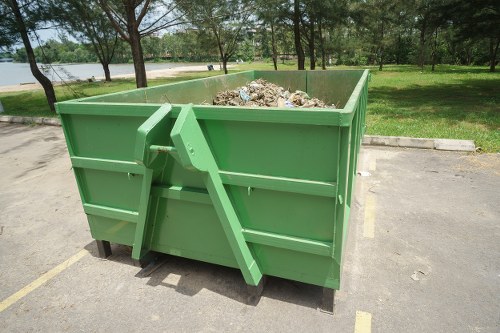
When you are ready to arrange a house clearance in Twickenham, the most helpful step is to outline the property and the items in plain terms. Include the number of rooms affected, the main types of contents, and any access points that matter, such as stairs, loft ladders or shared entrances. That information gives enough context for a realistic quotation without making the process complicated. If the work is simple, a short description may be enough; if it is more involved, a fuller note is better.
Customers often find it useful to think in terms of what stays and what goes, rather than trying to list every object in the house. That approach is especially practical where the clearance covers several rooms or where only part of the property needs attention. If you have already compared the service pages that are relevant to your situation, the next step is straightforward: use the contact route that suits you and ask for a quotation based on the actual clearance required.
To keep everything clear from the outset, provide the key facts once, then let the quotation reflect the scope of the work. You can begin by reviewing our contact page and then send the details of the property, the items and the timing you have in mind. Request your quotation today and we will help you move the clearance forward.